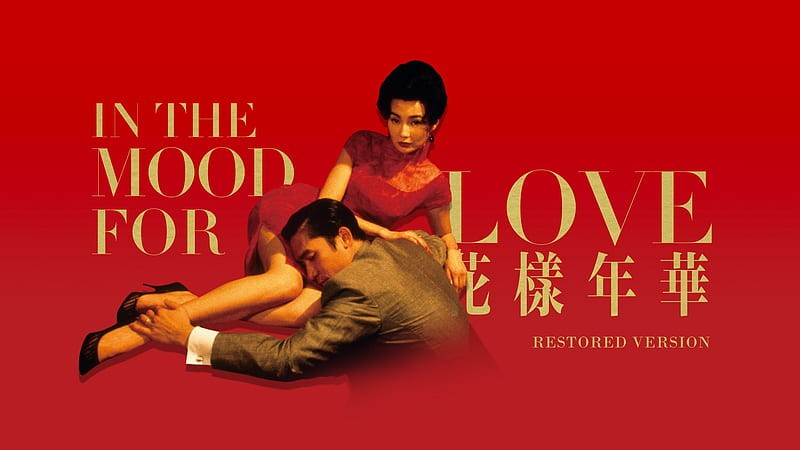
In the Mood for Love: A Film Made of Details


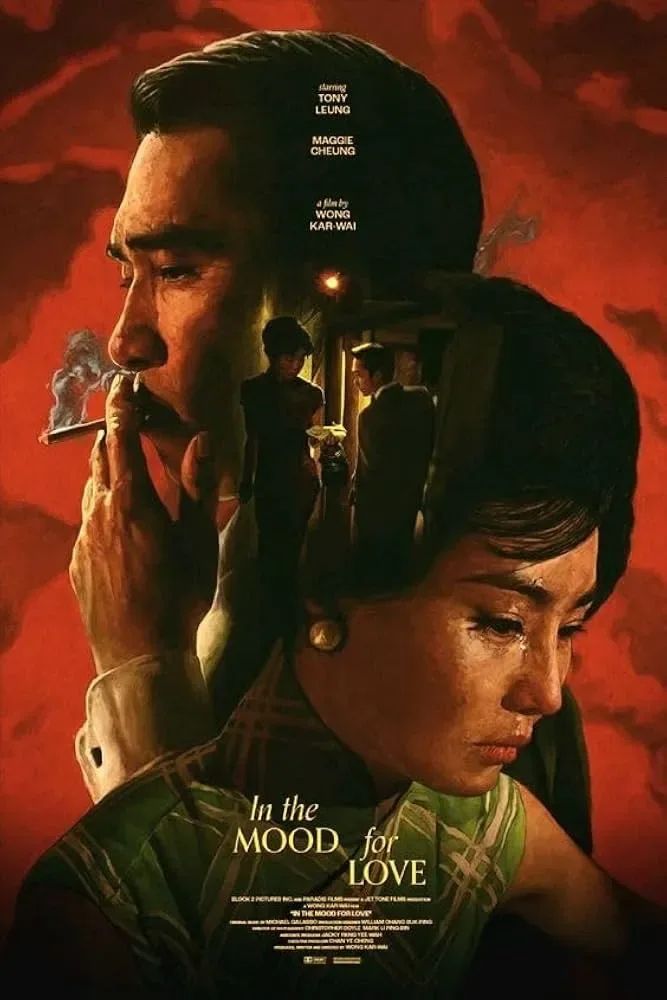
In the Mood for Love might be the most beautiful film I've ever seen. Wong Kar-wai doesn't tell this story through plot — he tells it through details. A cigarette ember glowing in the dark. A glance held a second too long. The same narrow stairwell, walked past each other again and again, two lives brushing against one another without ever quite touching.


Smoke as a Character
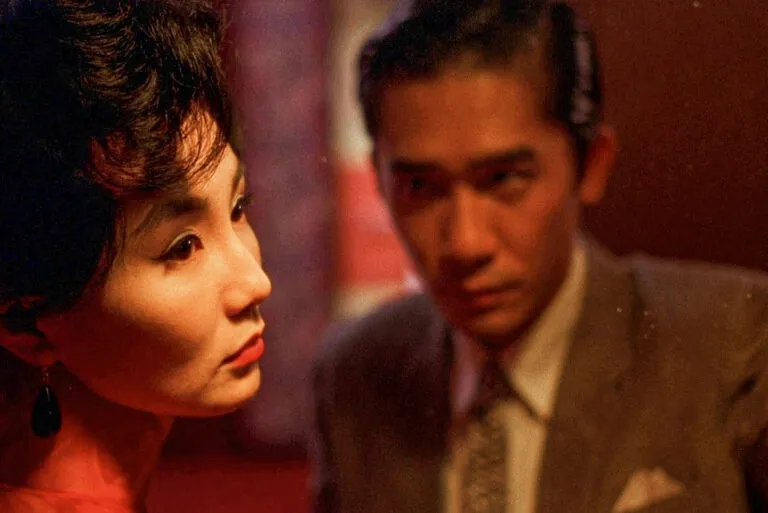
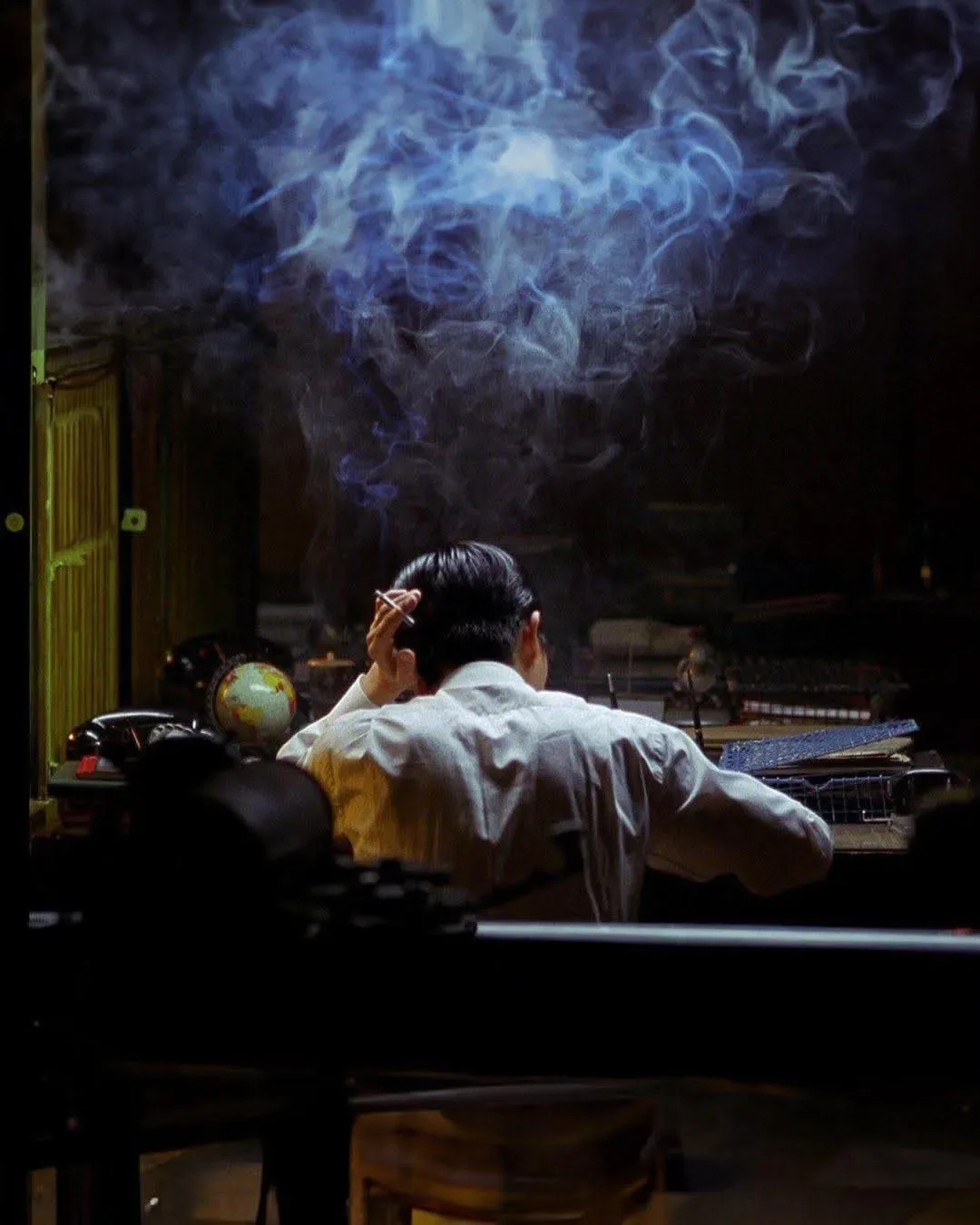
The cigarette smoke in this film is doing so much work. It drifts through nearly every frame like its own presence — hanging in doorways, curling under streetlamps, hovering in the thick air of a noodle stall at night. It turns silence into something you can almost touch. In a film where so much goes unsaid, the smoke becomes a stand-in for everything simmering underneath.

The Nuance of Restraint
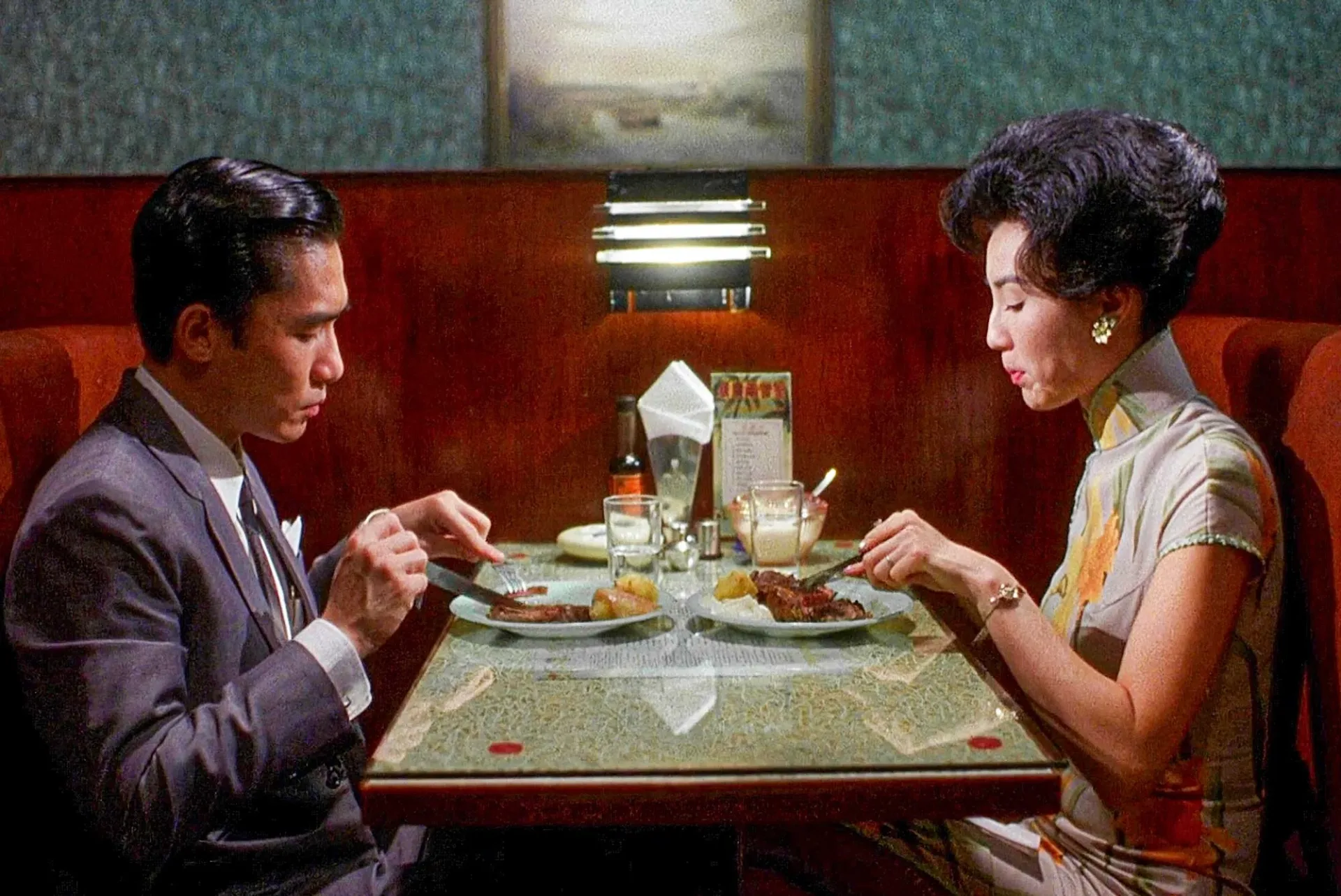
Nothing in this film is ever said directly. Two people who are clearly falling for each other spend the entire runtime performing restraint, rehearsing confrontations they will never actually have. They practice, in private, the conversations they can't bring themselves to finish in reality. The tension is entirely unspoken — and that's exactly what makes it devastating. Wong Kar-wai trusts the audience to read longing in a doorway, in a shared taxi ride, in the way two people time their trips to the noodle stall just to pass each other on the stairs.
When the Music Kicks In
Then there's Yumeji's Theme — that same aching waltz, returning again and again, always right as the feeling gets too big for the scene to hold. It doesn't underline the emotion so much as arrive slightly ahead of it, pulling you into the ache before you've consciously registered why. It's one of the best uses of a musical motif in cinema, full stop.

Cinematography Like Paintings
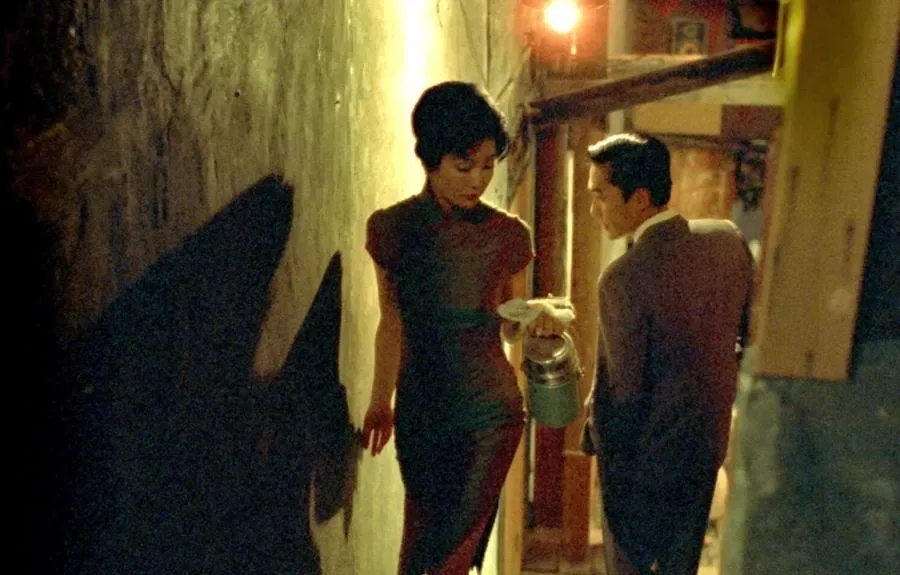
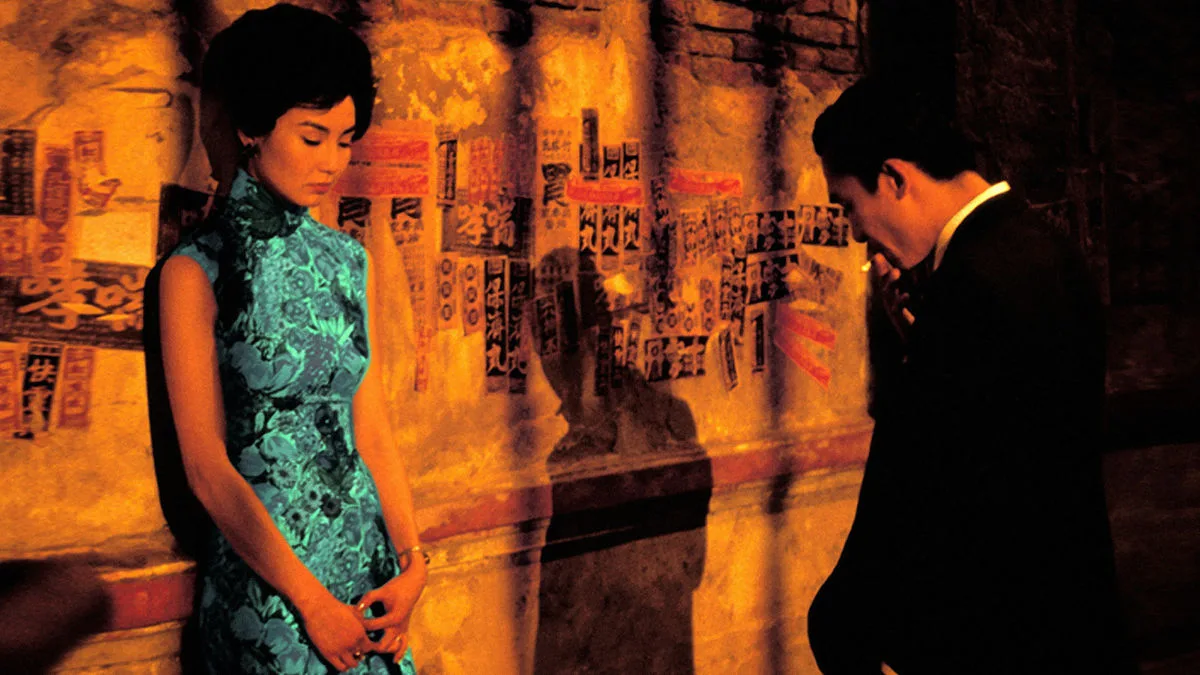
And then there's the cinematography itself. Christopher Doyle's colors — those deep reds, greens, and golds — combined with the slow motion and the framing through doorways, curtains, and mirrors, make nearly every shot feel like a painting. I could pause this movie almost anywhere and hang the frame on a wall.

A Masterpiece of Longing
I loved this film completely. It's not just a movie about longing — watching it feels like longing. Wong Kar-wai built something rare here: a film where the smallest gestures carry the most weight, and where beauty itself becomes a form of storytelling.